

Written by Rachel Wilbourn, MSW student
The Role of Social Media
In an age where social media allows anyone and everyone the freedom to write and post whatever they want without any factchecking, the internet can be a dangerous place. From false reports of celebrity deaths to skewed statistics, people must use caution when deciding to take what they see online and incorporate it into their lives. This is especially true when it comes to mental health.
Although social media has shed some much-needed light onto the field of mental health and made strides toward normalizing therapy and diagnoses, accessibility does not always equal accuracy. We have all seen terms like, “narcissism,” “ADHD,” and “trauma,” thrown around in TikTok’s and Instagram Reels, but who holds content creators accountable for using these terms correctly and responsibly?
Content creators post short, digestible videos in which terms and diagnoses are thrown around and oversimplified. This leads those who consume posts to draw connections between those terms and themselves or others in their own lives. They hear a broad, vague definition of a term or a list of symptoms and start going down the checklist. Before they know it, they have diagnosed themselves with ADHD.
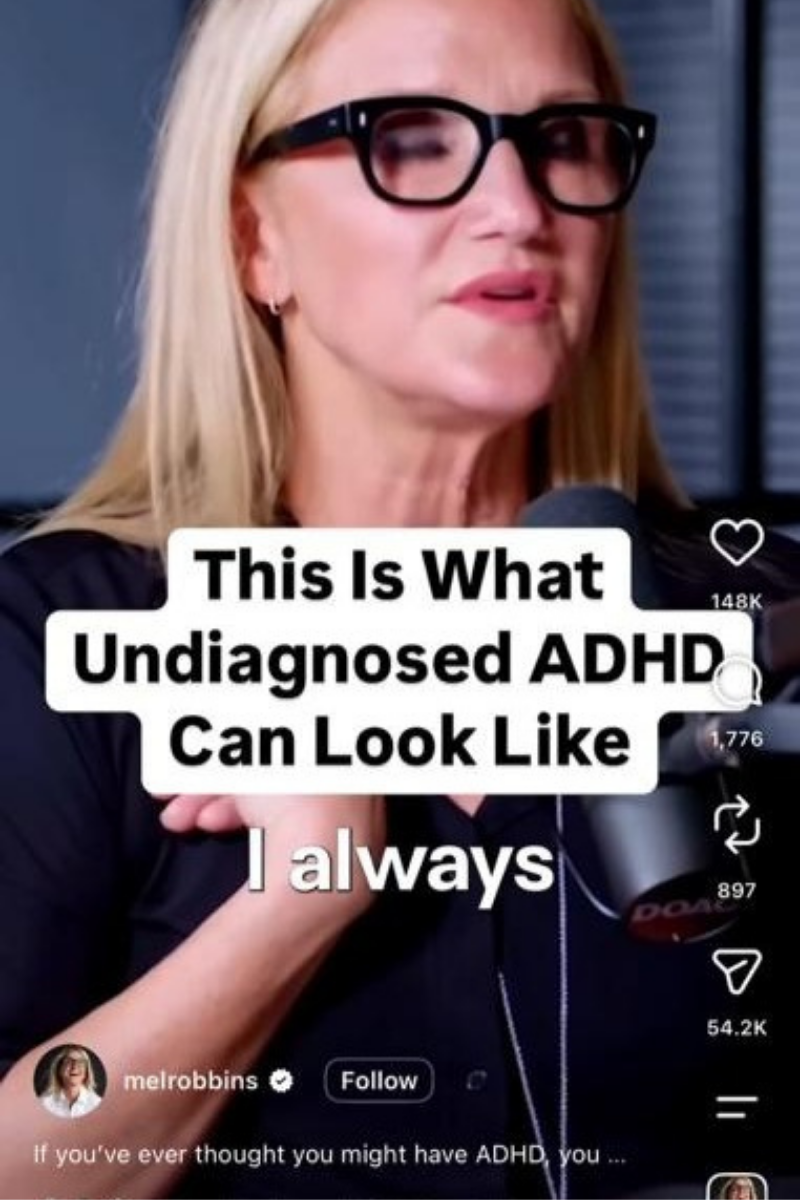
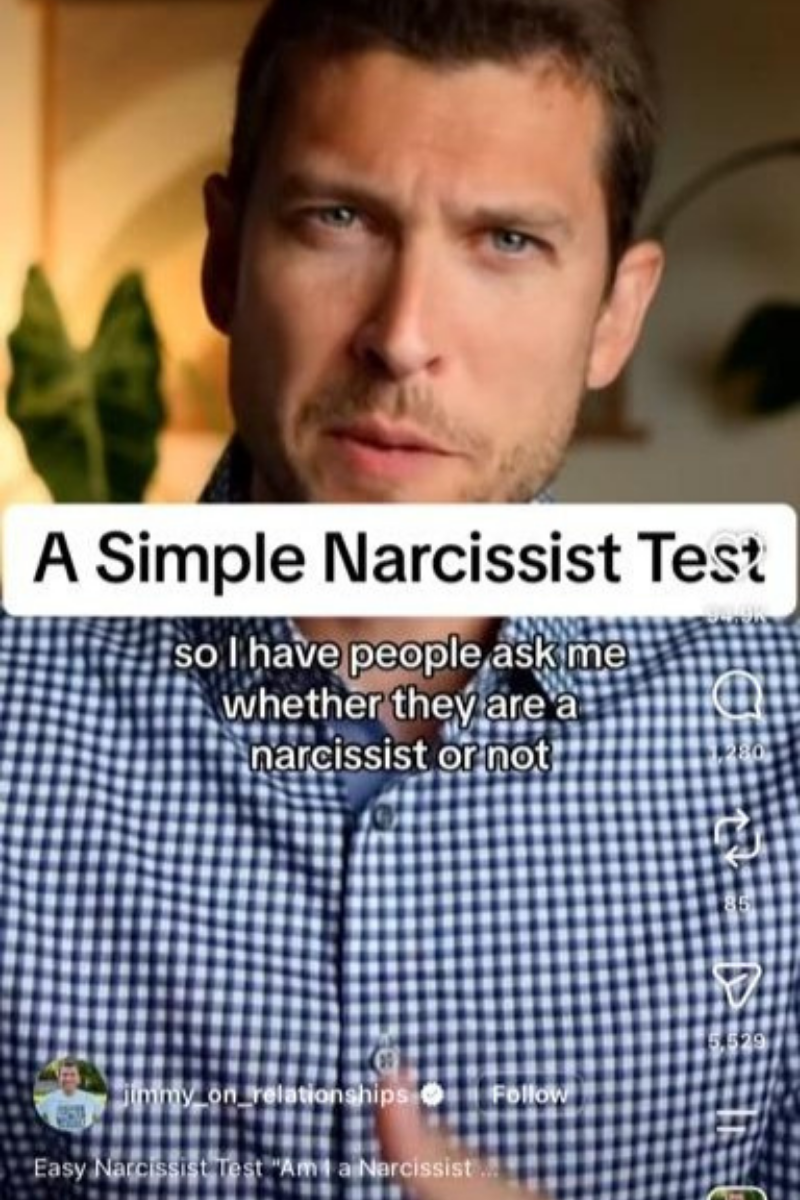
Examples of Instagram content creators describing ADHD and Narcissism.
What is Self-Diagnosis?
The American Psychological Association defined self-diagnosis as the process of identifying or ascribing a specific mental health or medical condition to oneself without a formal, professional evaluation. This can lead to incorrect conclusions and self-treatment.
As someone who has invested significant time and money into an education that allows for diagnosing, I can attest that diagnosing is a lengthy, in-depth process that is more complex than a short video or post may suggest. Even for clinicians, diagnoses are made with extreme caution after extensive assessment.
The Danger of Self-Diagnosis
Although self-diagnosing can sometimes lead a person to seek professional treatment, it can also lead to inaccurate conclusions.
The problem with diagnosing oneself is that the “symptoms” that people recognize can come from a variety of different factors. For example, fatigue can be a symptom of major depressive disorder, but it can also be the result of a bad night’s sleep, illness, or stress.
Social media often presents a diagnosis simply as a list of symptoms. But just because you have a symptom, does not mean you have the disorder the symptom is associated with. To properly come to a diagnosis, there is a great deal of context that is needed. Factors like how long symptoms have been present, how severe they are, and the degree to which they interfere with daily activities are all important components of a professional diagnosis.
So, What Should We Do Instead?
So, what should we do when we find ourselves resonating with a mental health post? Instead of jumping to self-diagnosis, use the post’s information as a starting point. Take the time to learn from credible sources and pay attention to your own reactions. If you are feeling concerned, or like you could benefit from treatment, consider reaching out to a mental health professional.
Social media can be a valuable tool for raising awareness about mental health. The goal is not to discredit what we see on social media, but rather to approach posts with caution, applying a critical lens. A relatable post may lead us to ask questions about ourselves but should not be used as the sole method for answering those questions.